


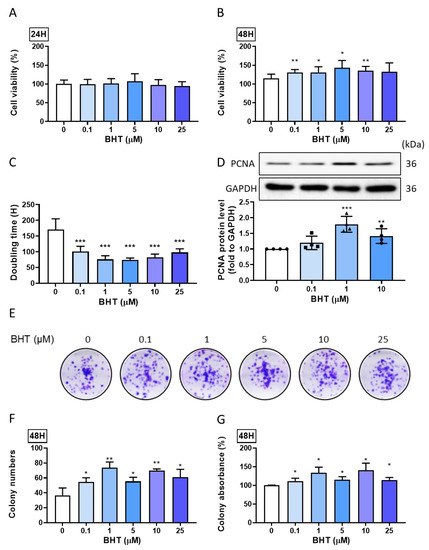
The Role of Cell Proliferation and Extracellular Matrix Accumulation Induced by Food Additive Butylated Hydroxytoluene in Uterine Leiomyoma
Source : https://doi.org/10.3390/nu13093074
Leiomyoma is the most common benign uterine tumor in reproductive-age women. Increasing numbers of studies are focusing on the effects of environmental exposure on the incidence and progression of tumors....
Conclusion: Environmental exposure to BHT could be associated with several disease disorders and disadvantages. Using the ELT-3 rat leiomyoma cell model, the results shed light on BHT’s potential in enhancing leiomyoma cell proliferation, colony formation, and ECM accumulation in a mechanism that might involve modulation of PI3K/Akt and MAPK...

A contrastive study on the clinical efficacy and safety of laparoscopic myomectomy and high intensity focused ultrasound in the treatment of uterine fibroidsn the treatment of uterine fibroids | Ren | Ginekologia Polska
Source : https://journals.viamedica.pl/ginekologia_polska/article/view/86956
Early publication date: 2022-05-30 Yingqiang Ren 1, Yutan Li 1, Yuanfang Pu 1 DOI: 10.5603/GP.a2022.0034 Department of Gynecology, The People's Hospital of Nanchuan, Chongqing, China ORIGINAL PAPERS Gynecology Early publication...
Conclusion: HIFU could improve the intraoperative efficacy and reduce the complications of patients with uterine fibroids and has excellent performance in improving clinical efficacy and prolonging PFS. HIFU can be used as an alternative to surgical treatment.

Combined procedure of the transcervical radiofrequency ablation (TRFA) system and surgical hysteroscopy. Increased risk or safe procedure?
Source : https://www.ncbi.nlm.nih.gov/pmc/articles/PMC9186078/
The advantage of transcervical radiofrequency ablation (TRFA) is that it is minimally invasive, incision-free, and treats a wide spectrum of fibroids, including those that are not accessible by surgical hysteroscopy...
Conclusions: Although TRFA is an approved method, it is not yet widely used worldwide. The combined procedure has been rarely used. The aim of our work is to show through our case series that transcervical radiofrequency ablation can be combined with surgical hysteroscopy for fibroid and/or endometrial resection without any additional risk.

Simvastatin reduces plasma membrane caveolae and caveolin-1 in uterine leiomyomas - PubMed
Source : https://pubmed.ncbi.nlm.nih.gov/35705139/
1 Department of Gynecology and Obstetrics, Johns Hopkins University School of Medicine, Baltimore, MD 21205, USA. 2 Department of Gynecology and Obstetrics, Johns Hopkins University School of Medicine, Baltimore, MD...
Significance: Our results identify caveolae and CAV1 as novel targets of simvastatin which may contribute to the recently described effects of simvastatin on ER-α signaling and plasma membrane trafficking.

Case_series - Prioritizing bladder-sparing treatments in patients with urinary tract leiomyoma: A report of three cases and updated literature review - PubMed
Source : https://pubmed.ncbi.nlm.nih.gov/35704928/
Urinary tract leiomyomas are rare, benign mesenchymal tumors that are traditionally treated with complete surgical excision. We present three cases of urinary tract leiomyoma - two located in the bladder...
Conclusion: Given the benign nature of leiomyomas and the overall low recurrence rate reported in the literature, bladder-sparing options should be emphasized when feasible, with active surveillance potentially applicable for highly select patients.