



Deep learning enables automated MRI-based estimation of uterine volume also in patients with uterine fibroids undergoing high-intensity focused ultrasound therapy - Insights into Imaging
Source : https://insightsimaging.springeropen.com/articles/10.1186/s13244-022-01342-0
Background High-intensity focused ultrasound (HIFU) is used for the treatment of symptomatic leiomyomas. We aim to automate uterine volumetry for tracking changes after therapy with a 3D deep learning approach....
Conclusion: This study presents a method for automatic uterus segmentation which allows a fast and consistent assessment of uterine volume. Therefore, this method could be used in the clinical setting for objective assessment of therapeutic response to HIFU therapy.

HIFU as an alternative modality for patients with uterine fibroids who require fertility-sparing treatment
Source : https://doi.org/10.1080/02656736.2022.2155077
Abstract Abstract To compare pregnancy outcomes after high-intensity focused ultrasound ablation (HIFU), myomectomy and uterine artery embolization (UAE) for fertility-sparing patients with uterine fibroids and to investigate the possible mechanism...
Conclusion: Compared with myomectomy and UAE, HIFU, especially USgHIFU, maybe a fertility-sparing option for patients with uterine fibroids over 40 years old. HIFU may contribute to improving pregnancy rates through elevating the uterine blood flow impedance.
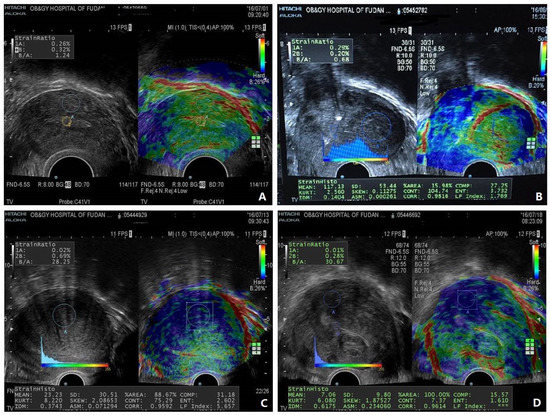
In Search of an Imaging Classification of Adenomyosis: A Role for Elastography?
Source : https://www.mdpi.com/2077-0383/12/1/287
Adenomyosis is a complex and poorly understood gynecological disease. It used to be diagnosed exclusively by histology after hysterectomy; today its diagnosis is carried out increasingly by imaging techniques, including...
Conclusions: Through imaging tissue biomechanics, elastography adds a completely new dimension to the detection of adenomyosis and its associated pathology. This is primarily due to the fact that the resultant imaging reflects the composition and organization of the microstructure underlying uterine pathology in general and adenomyosis in...
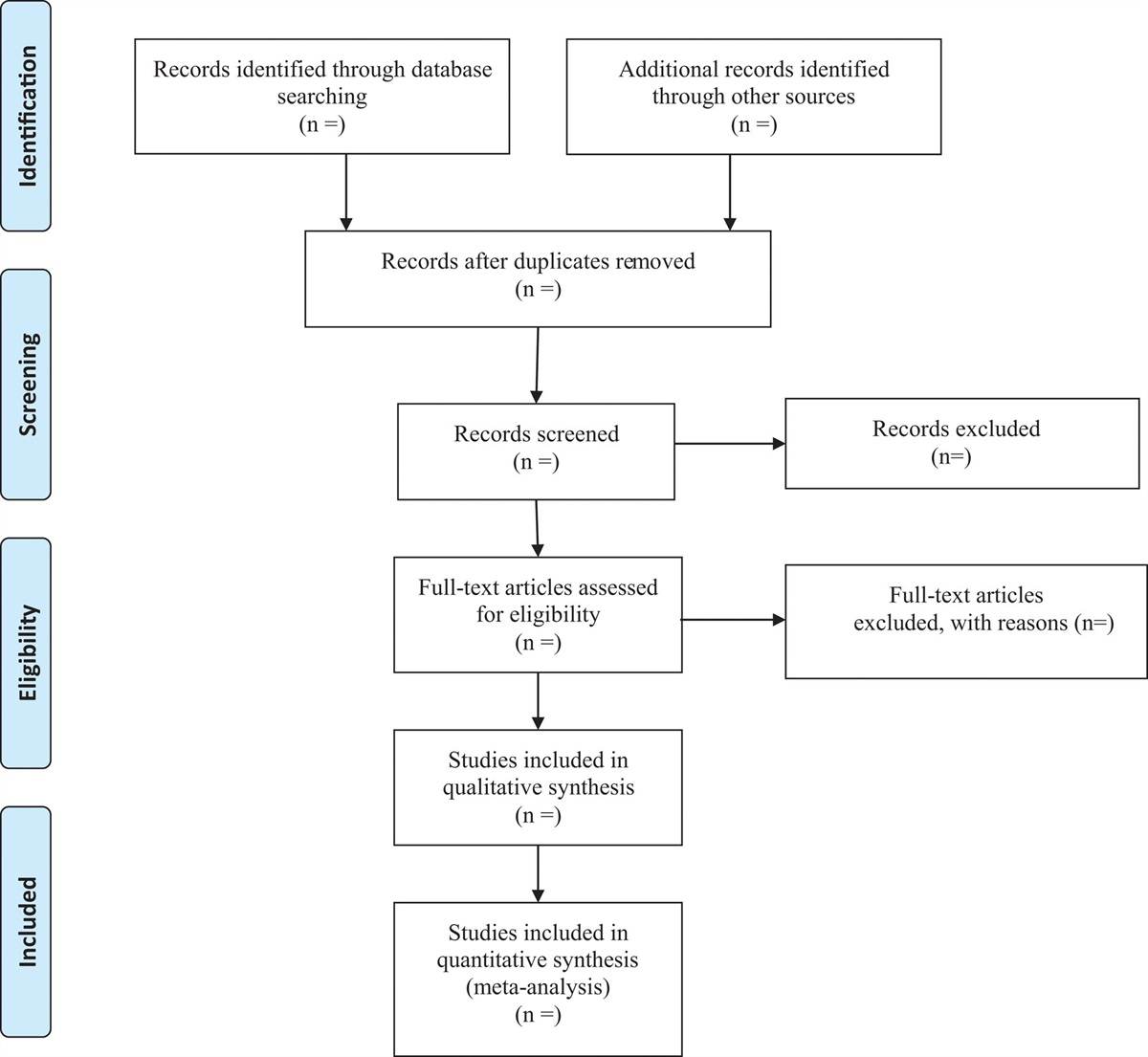
Comparison of hysterectomy and uterine artery embolization... : Medicine
tic review and meta-analysis to assess the effectiveness of uterine artery embolization for treating symptomatic uterine fibroids compared with hysterectomy. Methods: The current systematic review and meta-analysis will be reported...
Conclusions: This systematic review will provide high quality evidence to judge whether uterine artery embolization is an effective surgical method for patients with symptomatic uterine fibroids.
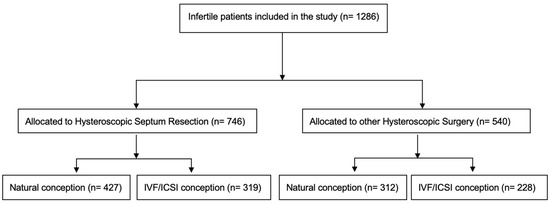
Does Hysteroscopic Dissection of Partial Uterine Septum Represent a Risk Factor for Placental Abnormalities in Subsequent Pregnancy Compared with Controls Undergoing Other Hysteroscopic Surgery? Results from a Large Case-Control Analysis
Source : https://www.mdpi.com/2077-0383/12/1/177
Background: Hysteroscopic septum dissection (HSD) is thought to improve fertility and pregnancy outcomes. However, the available literature suggests that uterine surgery can cause placental abnormalities in subsequent pregnancies. Methods: A...
Conclusions: HSD was not associated with a higher rate of placental abnormalities in the first singleton pregnancy compared with other hysteroscopic procedures. As a corollary result, our study also confirmed the earlier findings that IVF/ICSI procedures are associated with an increased rate of placenta previa. We take the opportunity to solicit...