


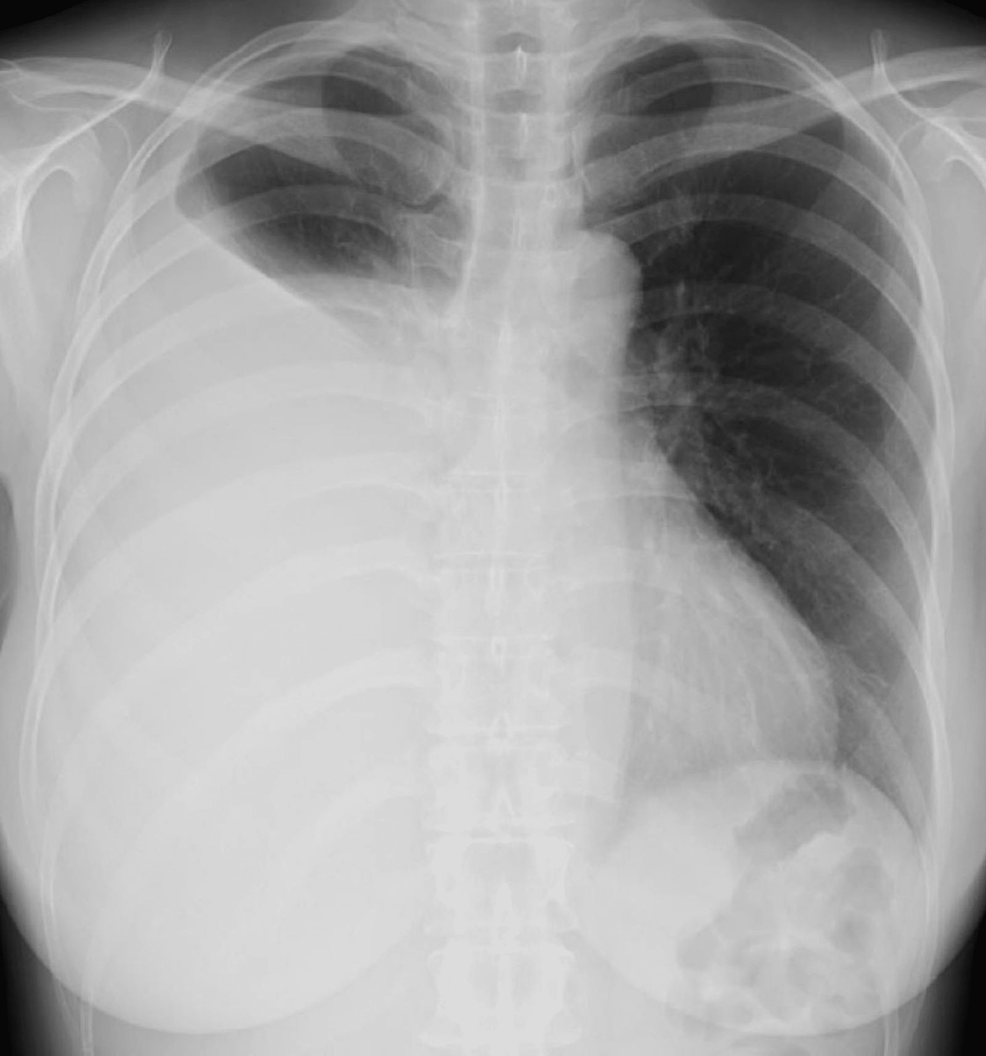
Pseudo-Meigs' Syndrome in a Patient With Uterine Fibroids With Massive Pleural Effusion After Starting Gonadotropin-Releasing Hormone Agonist Therapy: A Case Report
Pseudo-Meigs' syndrome is caused by uterine fibroids, which is often treated using gonadotropin-releasing hormone (GnRH) agonists. Here we report a case of pseudo-Meigs' syndrome that developed with massive pleural effusion...
Conclusion: Pseudo-Meigs’ syndrome can be caused by uterine fibroids after the initiation of GnRH agonist therapy. Such pseudo-Meigs’ syndrome can develop with massive pleural effusion. We must be aware that uterine fibroids can cause pseudo-Meigs’ syndrome after the initiation of GnRH agonist therapy and pay attention to the respiratory...
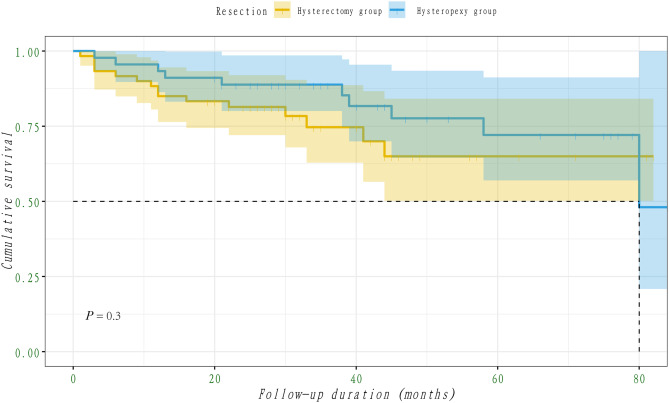
The effect of hysteropreservation versus hysterectomy on the outcome of laparoscopic uterosacral suspension in pelvic organ prolapse surgery
Source : https://www.maturitas.org/article/S0378-5122(23)00014-2/fulltext
Pelvic organ prolapse (POP) is a common health issue in parous women. The prevalence rate of POP increases with age. Although POP rarely causes severe morbidity or mortality, it can...
Conclusion: Our study demonstrated equally satisfactory objective and subjective long-term outcomes after laparoscopic uterosacral suspension with or without hysterectomy. Laparoscopic uterosacral hysteropexy can be safely and effectively offered to patients with pelvic organ prolapse who wish to preserve their uterus and do not have...
Conclusion: Racial disparities in uterine fibroids and endometriosis can be linked with differential exposures to suspected etiologic agents, lack of adequate access to health care, including highly skilled gynecologic surgeons, and bias and discrimination within the health care system.
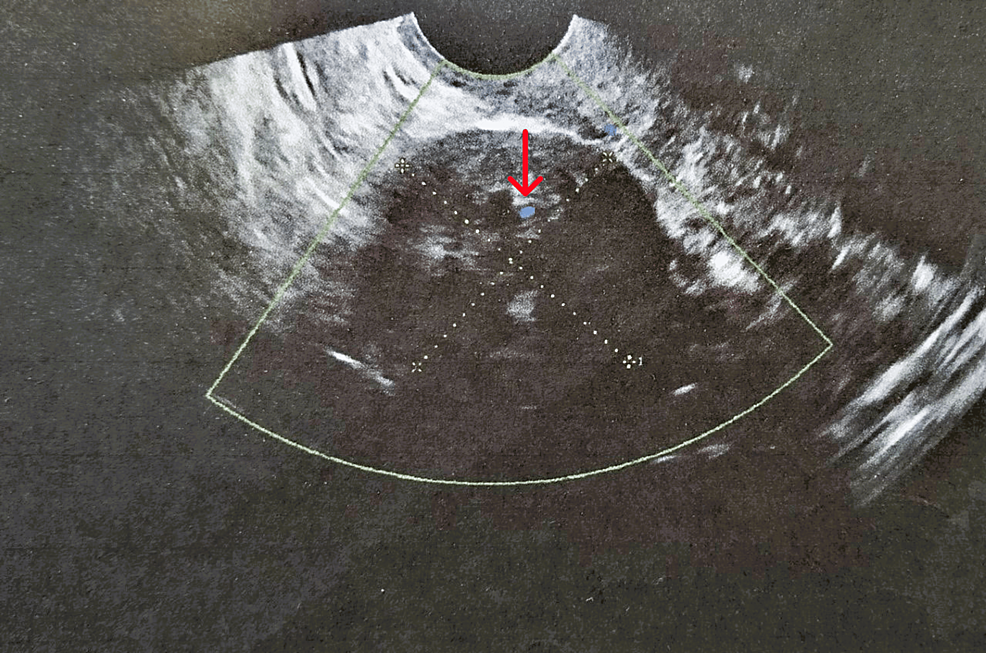
Surgical Treatment of a Rare Case of Ovarian Fibroma Associated With Elevated CA125 Levels in a Patient of Reproductive Age: A Case Report
Small ovarian fibromas (< 10cm) associated with elevated serum CA125 levels are rarely encountered, particularly in women of reproductive age. We report a rare case diagnosed in a 35-year-old patient...
#!/
Discussion: The preoperative differential diagnosis of ovarian fibromas from uterine pedunculated subserosal leiomyomas or malignant ovarian tumors remains difficult and in some cases may be impossible.
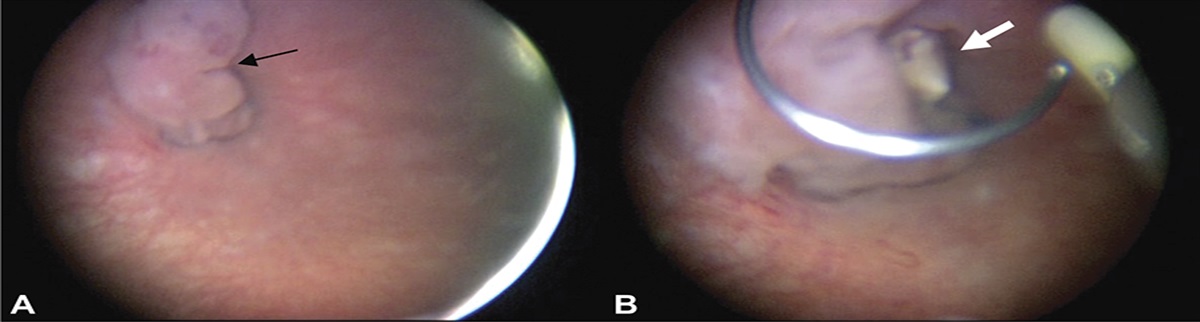
Complex Gynecologic Fistulas Presenting 10 Years After Uterine Artery Embolization
eiomyomas. The patient presented with gross hematuria and pelvic pain 10 years later. She was found to have both a vesicouterine and a uteroduodenal fistula. The patient was successfully treated...
Conclusion: Complex gynecologic fistulas may occur as a long-term complication in symptomatic women with a history of UAE.